education
From Gears to Algorithms: My Engineering Evolution, Engineering is often seen as a rigid path—you pick a stream and stick to it. But for me, engineering has always been about the mindset, not just the tools. My journey from the physical world of Mechanical Engineering to the logical world of Information Science was not a detour; it was an evolution. It taught me that the core of engineering remains the same: finding the best solution to a complex problem.
Experience
Jan 2, 2026
The Pivot: Mechanics to Logic
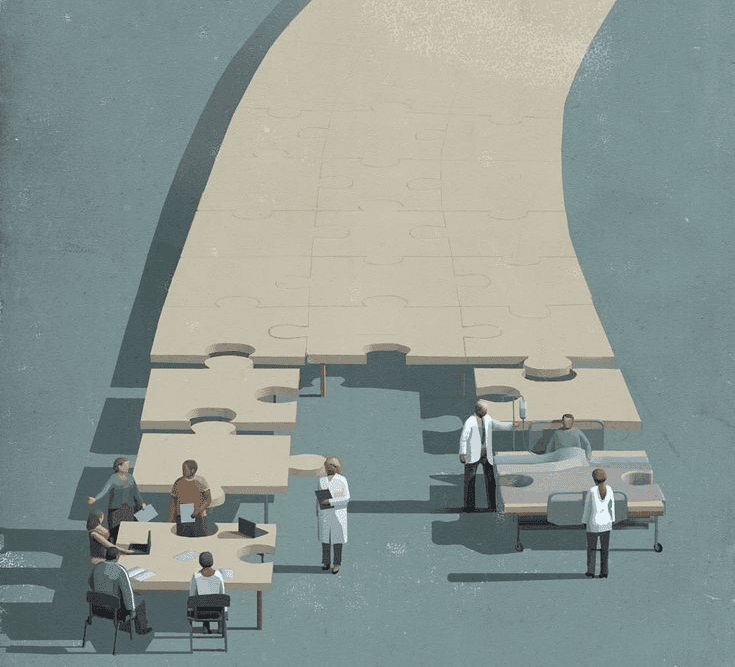
After completing my diploma in Mechanical Engineering, I stood at a crossroads. While I loved the mechanics of machines, I was captivated by the "brain" behind modern machinery: Software. The boom of AI and the endless possibilities of IT development sparked a curiosity in me. I realized that while gears move the world, code directs it.
I wanted to be part of that problem-solving revolution. Experience: transitioning wasn’t easy. I had to shift my thinking from physical stress and strain to logical algorithms and data structures. But the discipline I learned in Mechanical helped me grasp the architecture of IT systems faster.
The more branches you explore, the more of an engineer you become.
The Arena: MCE and the Growth Mindset
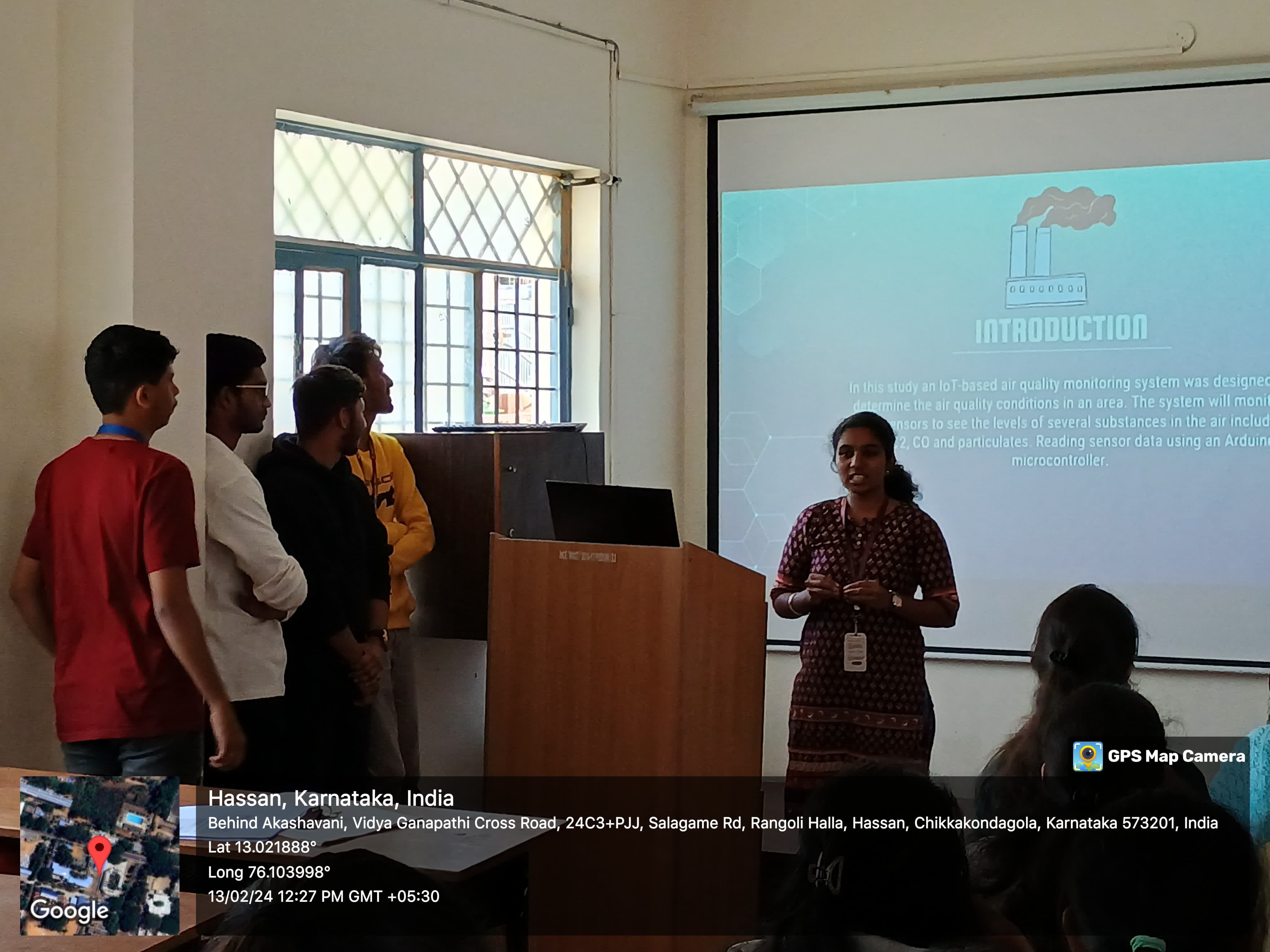
Joining Malnad College of Engineering (MCE), Hassan, in the Information Science & Engineering (ISE) department, was the turning point. It wasn’t just a college; it was an ecosystem of growth. The academic environment was brilliant, but the real magic happened in how the department encouraged us to think beyond the textbook.
Experience: At MCE, I didn't just attend classes. I found myself surrounded by peers and mentors who pushed me to be better. It was here that I realized an engineer isn't defined by their degree title, but by their adaptability.
A classroom teaches you the rules; the environment teaches you how to break them to build something new.
Beyond the Syllabus: The Hackathon Hustle
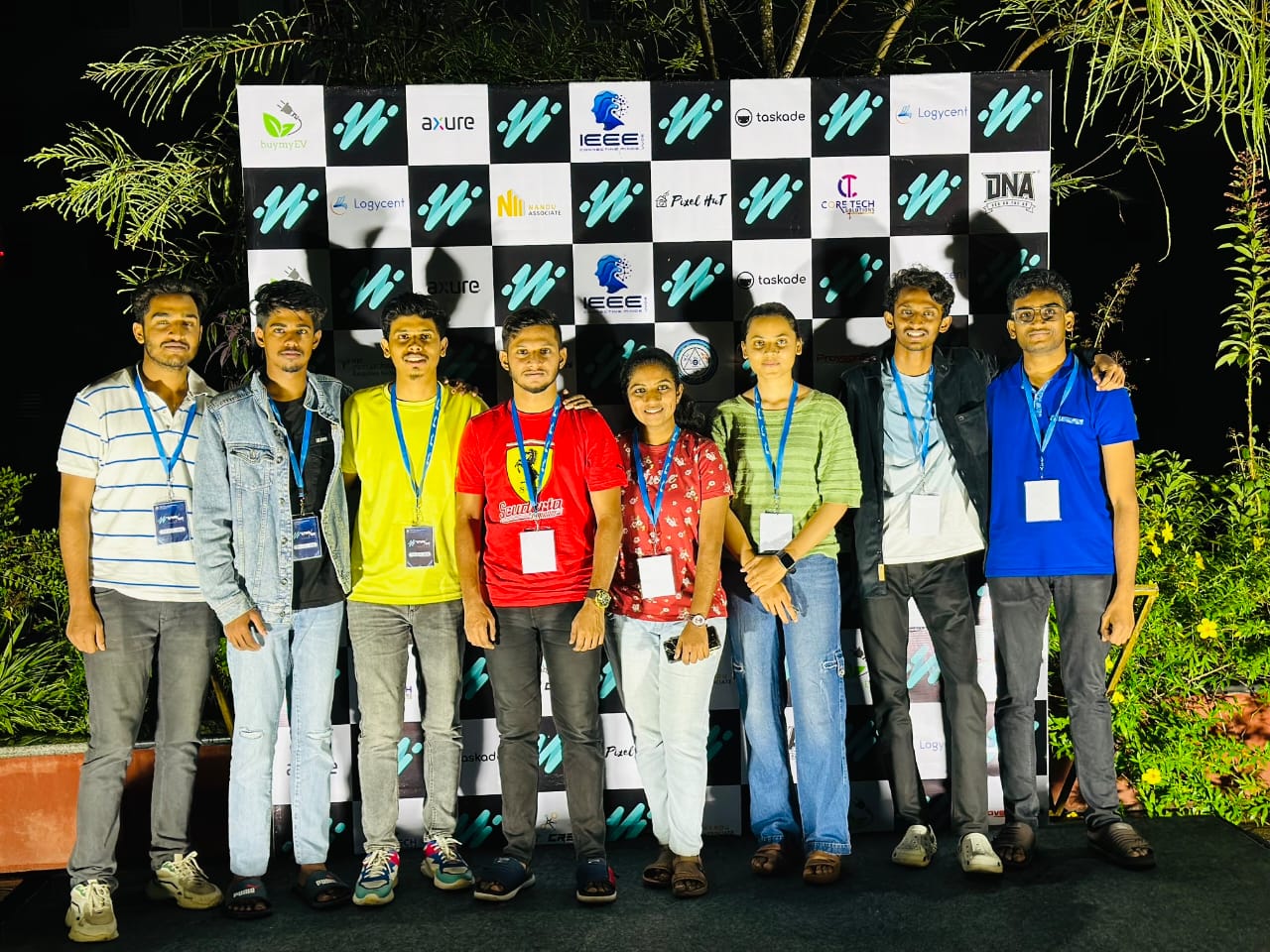
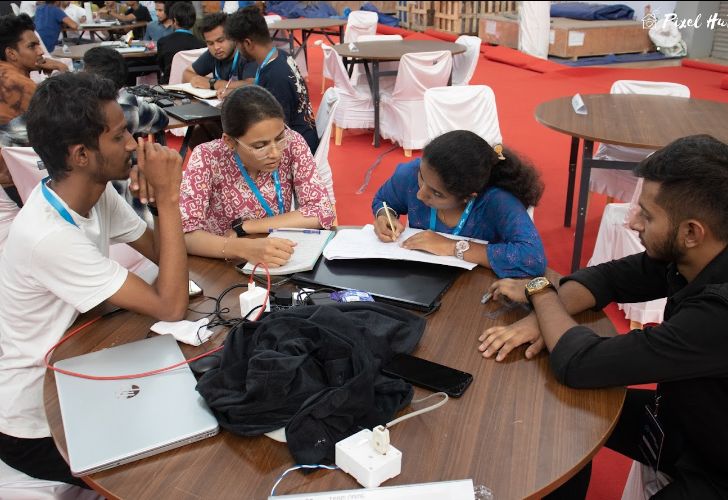
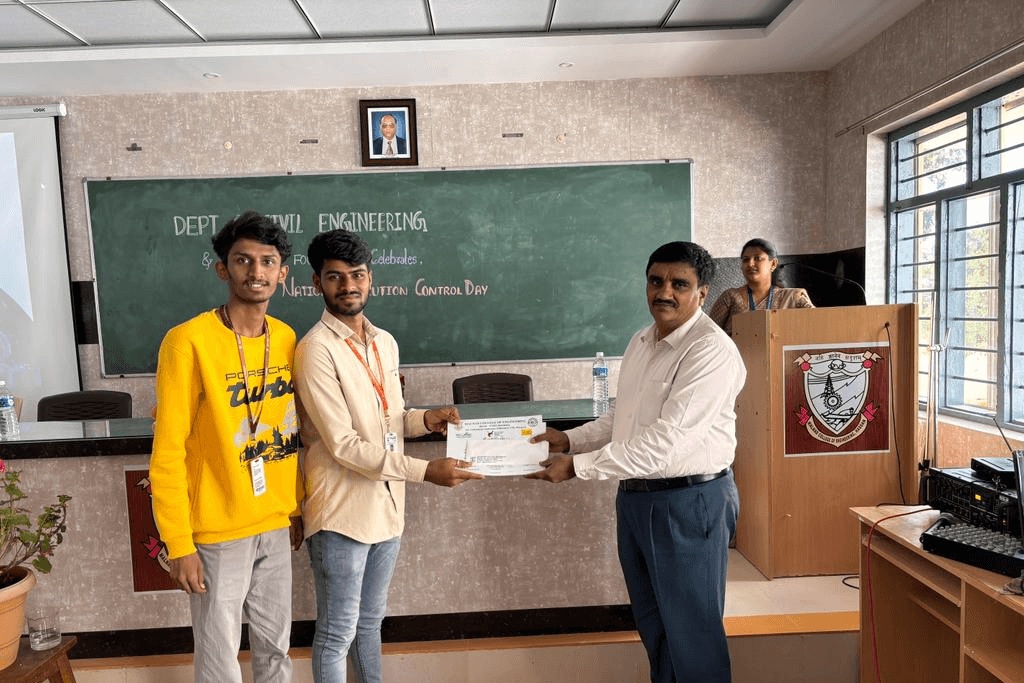
If classes were the practice, Hackathons were the game. I threw myself into various events, workshops, and technical talks. I moved from being a listener in the crowd to the one giving the talks. Sharing knowledge and coding under pressure in hackathons sharpened my skills more than any assignment ever could.
Experience: There were times during hackathons when code broke at 3 AM. It was frustrating, but it mirrored the real IT world. Standing on stage to give a talk terrified me at first, but it eventually became my source of confidence.
Theory loads the gun, but practical experience pulls the trigger.
The Scoreboard: CGPA vs. Capability
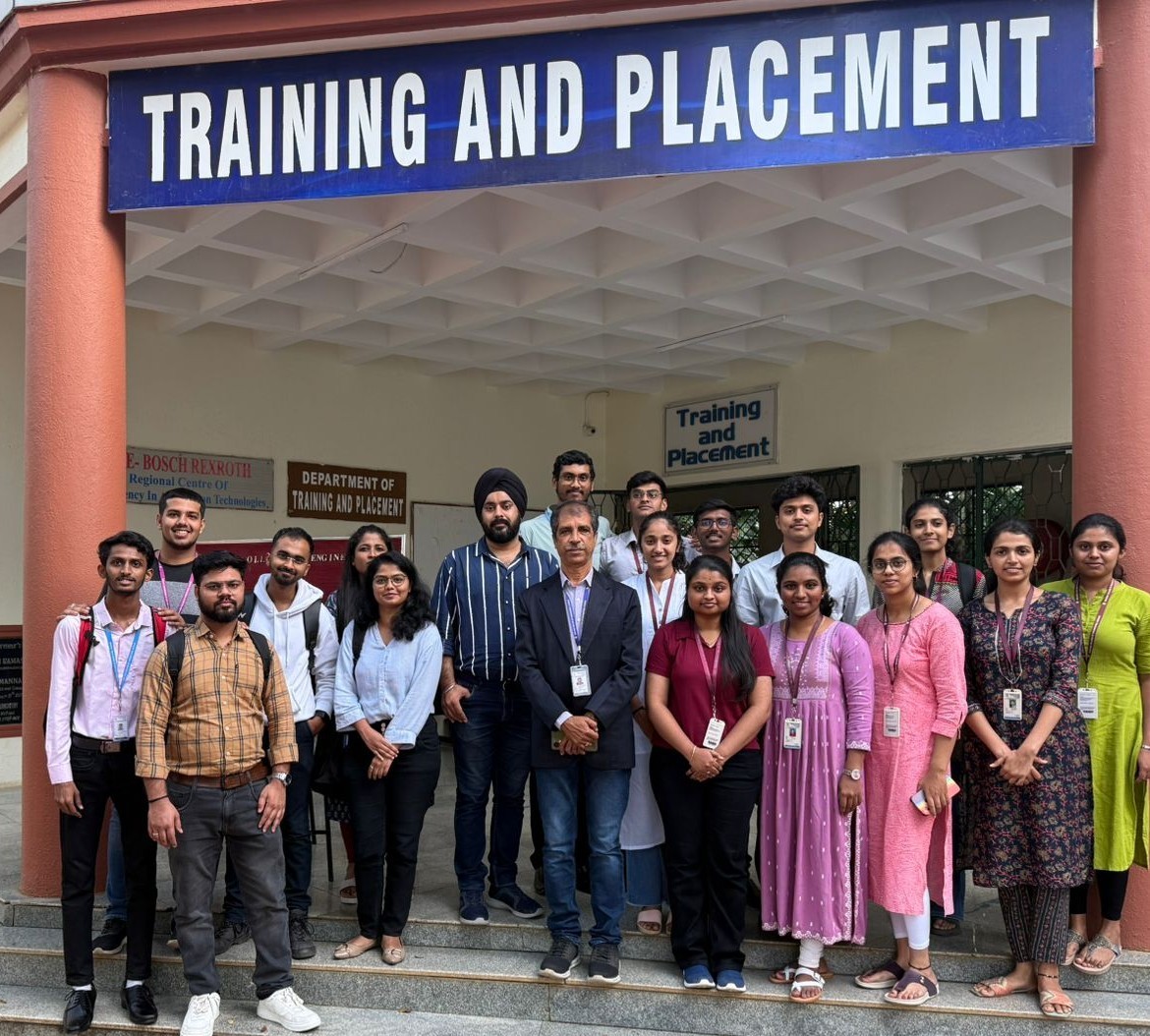
In the academic race, numbers often overshadow talent. I finished with a 7.23 CGPA—a decent score, but not the highest in the room. However, the industry rewards value, not just variables. My focus on holistic growth, communication, and practical problem-solving paid off when I cracked the placement interview for Silo Fortune Pvt Ltd in my 7th semester itself.
Experience: During my interview, they didn't ask me to recite a textbook definition. They asked how I solved problems. My 7.23 got me to the door, but my experiences in hackathons and my mechanical-to-IT adaptability opened it.
Grades measure your past, but your skills define your future.
More to Discover

education
From Gears to Algorithms: My Engineering Evolution, Engineering is often seen as a rigid path—you pick a stream and stick to it. But for me, engineering has always been about the mindset, not just the tools. My journey from the physical world of Mechanical Engineering to the logical world of Information Science was not a detour; it was an evolution. It taught me that the core of engineering remains the same: finding the best solution to a complex problem.
Experience
Jan 2, 2026
The Pivot: Mechanics to Logic
After completing my diploma in Mechanical Engineering, I stood at a crossroads. While I loved the mechanics of machines, I was captivated by the "brain" behind modern machinery: Software. The boom of AI and the endless possibilities of IT development sparked a curiosity in me. I realized that while gears move the world, code directs it.
I wanted to be part of that problem-solving revolution. Experience: transitioning wasn’t easy. I had to shift my thinking from physical stress and strain to logical algorithms and data structures. But the discipline I learned in Mechanical helped me grasp the architecture of IT systems faster.
The more branches you explore, the more of an engineer you become.
The Arena: MCE and the Growth Mindset
Joining Malnad College of Engineering (MCE), Hassan, in the Information Science & Engineering (ISE) department, was the turning point. It wasn’t just a college; it was an ecosystem of growth. The academic environment was brilliant, but the real magic happened in how the department encouraged us to think beyond the textbook.
Experience: At MCE, I didn't just attend classes. I found myself surrounded by peers and mentors who pushed me to be better. It was here that I realized an engineer isn't defined by their degree title, but by their adaptability.
A classroom teaches you the rules; the environment teaches you how to break them to build something new.
Beyond the Syllabus: The Hackathon Hustle
If classes were the practice, Hackathons were the game. I threw myself into various events, workshops, and technical talks. I moved from being a listener in the crowd to the one giving the talks. Sharing knowledge and coding under pressure in hackathons sharpened my skills more than any assignment ever could.
Experience: There were times during hackathons when code broke at 3 AM. It was frustrating, but it mirrored the real IT world. Standing on stage to give a talk terrified me at first, but it eventually became my source of confidence.
Theory loads the gun, but practical experience pulls the trigger.
The Scoreboard: CGPA vs. Capability
In the academic race, numbers often overshadow talent. I finished with a 7.23 CGPA—a decent score, but not the highest in the room. However, the industry rewards value, not just variables. My focus on holistic growth, communication, and practical problem-solving paid off when I cracked the placement interview for Silo Fortune Pvt Ltd in my 7th semester itself.
Experience: During my interview, they didn't ask me to recite a textbook definition. They asked how I solved problems. My 7.23 got me to the door, but my experiences in hackathons and my mechanical-to-IT adaptability opened it.
Grades measure your past, but your skills define your future.
More to Discover
education
From Gears to Algorithms: My Engineering Evolution, Engineering is often seen as a rigid path—you pick a stream and stick to it. But for me, engineering has always been about the mindset, not just the tools. My journey from the physical world of Mechanical Engineering to the logical world of Information Science was not a detour; it was an evolution. It taught me that the core of engineering remains the same: finding the best solution to a complex problem.
Experience
Jan 2, 2026
The Pivot: Mechanics to Logic
After completing my diploma in Mechanical Engineering, I stood at a crossroads. While I loved the mechanics of machines, I was captivated by the "brain" behind modern machinery: Software. The boom of AI and the endless possibilities of IT development sparked a curiosity in me. I realized that while gears move the world, code directs it.
I wanted to be part of that problem-solving revolution. Experience: transitioning wasn’t easy. I had to shift my thinking from physical stress and strain to logical algorithms and data structures. But the discipline I learned in Mechanical helped me grasp the architecture of IT systems faster.
The more branches you explore, the more of an engineer you become.
The Arena: MCE and the Growth Mindset
Joining Malnad College of Engineering (MCE), Hassan, in the Information Science & Engineering (ISE) department, was the turning point. It wasn’t just a college; it was an ecosystem of growth. The academic environment was brilliant, but the real magic happened in how the department encouraged us to think beyond the textbook.
Experience: At MCE, I didn't just attend classes. I found myself surrounded by peers and mentors who pushed me to be better. It was here that I realized an engineer isn't defined by their degree title, but by their adaptability.
A classroom teaches you the rules; the environment teaches you how to break them to build something new.
Beyond the Syllabus: The Hackathon Hustle
If classes were the practice, Hackathons were the game. I threw myself into various events, workshops, and technical talks. I moved from being a listener in the crowd to the one giving the talks. Sharing knowledge and coding under pressure in hackathons sharpened my skills more than any assignment ever could.
Experience: There were times during hackathons when code broke at 3 AM. It was frustrating, but it mirrored the real IT world. Standing on stage to give a talk terrified me at first, but it eventually became my source of confidence.
Theory loads the gun, but practical experience pulls the trigger.
The Scoreboard: CGPA vs. Capability
In the academic race, numbers often overshadow talent. I finished with a 7.23 CGPA—a decent score, but not the highest in the room. However, the industry rewards value, not just variables. My focus on holistic growth, communication, and practical problem-solving paid off when I cracked the placement interview for Silo Fortune Pvt Ltd in my 7th semester itself.
Experience: During my interview, they didn't ask me to recite a textbook definition. They asked how I solved problems. My 7.23 got me to the door, but my experiences in hackathons and my mechanical-to-IT adaptability opened it.
Grades measure your past, but your skills define your future.